




When it comes to choosing a warehouse built for longevity, strength and stability are at the top of every business owner’s priority list. A well-constructed warehouse not only protects valuable inventory but also minimizes repair costs and ensures smoother daily operations. With the wide range of warehouse types available today, understanding what makes each one durable can help you make a smarter long-term investment.
From traditional structures to modernized building systems, today’s warehouses are engineered to withstand heavy use, environmental stress, and changing business demands. In this guide, we’ll explore some of the toughest warehouse types known for lasting performance. Each option offers unique advantages, making it easier to align your choice with your storage, budget, and operational needs. By the end, you’ll have a clearer idea of which warehouse structure best fits your goals for durability and efficiency.
Steel Building Warehouse
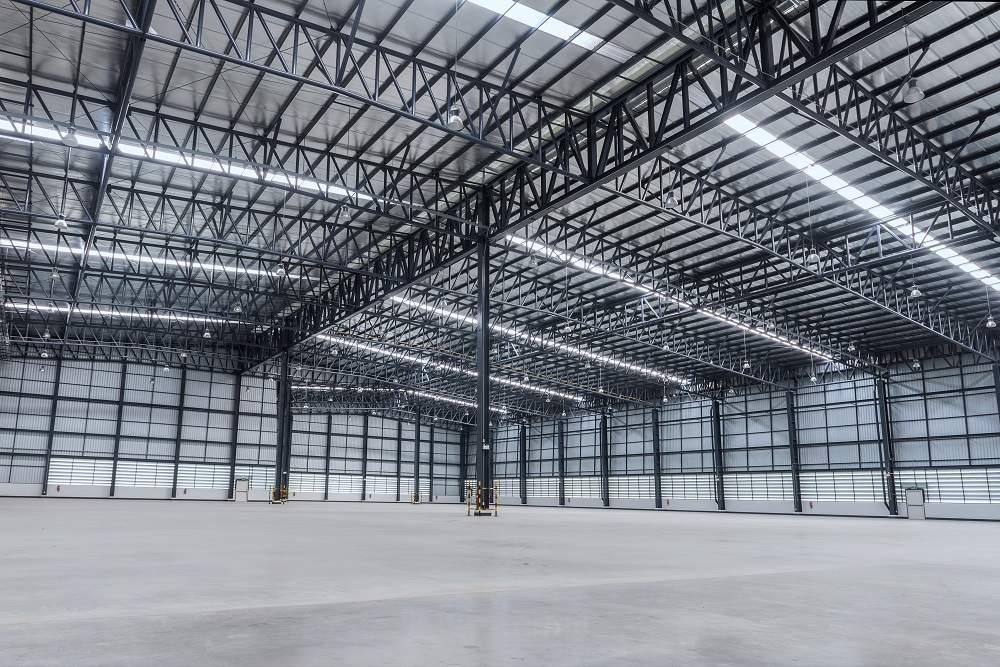
Steel building warehouses are widely recognized for their impressive strength, consistent durability, and ability to withstand harsh conditions. Their rigid frames offer excellent resistance against strong winds, heavy loads, and long-term wear and tear. Because steel is naturally resilient, these structures often require less maintenance compared to traditional materials.
They also provide the flexibility to customize layouts, expand storage areas, or adjust interior spacing as business needs evolve. Many companies choose the steel or metal building type because it delivers a high level of reliability without sacrificing design options. Whether used for manufacturing, distribution, or bulk storage, a steel warehouse maintains stability even under demanding operational pressure.
Concrete Warehouse
Concrete warehouses are among the most robust structures available, built to withstand years of heavy use and environmental exposure. Their solid walls provide excellent protection against fire, moisture, and extreme temperature changes. Because concrete is highly resistant to impact, it minimizes damage risks caused by machinery or constant foot traffic. These buildings also offer superior sound insulation, which benefits operations requiring quieter environments.
Businesses favor concrete warehouses for their longevity and low maintenance needs, especially in locations prone to severe climates. Additionally, their thick walls help maintain stable interior temperatures, reducing energy costs over time. For companies seeking a structure that stays strong with minimal upkeep, concrete remains a dependable choice.
Precast Panel Warehouse
Precast panel warehouses combine durability with quick construction, making them a practical solution for businesses needing fast and sturdy building options. Each panel is manufactured in a controlled environment, ensuring consistent quality and strength. These panels are then transported to the site for rapid assembly, reducing downtime and labor costs. The dense composition of precast panels enhances resistance to fire, moisture, and everyday operational wear.
This design also offers excellent load-bearing capacity, ideal for facilities handling heavy inventory. Moreover, precast warehouses deliver a clean, uniform look that supports both function and aesthetic. Their long-term structural stability makes them an excellent option for companies planning for growth and continuous use.
Hybrid Warehouse Structures
Hybrid warehouse structures blend different materials—often steel, concrete, and engineered framing—to maximize strength and performance. This combination allows builders to take advantage of each material’s unique benefits, creating a highly durable and efficient warehouse. These structures are especially useful when businesses need specific load capacities or specialized design features.
Hybrid systems can be tailored to resist extreme weather, heavy equipment use, and long operational hours. They also offer more flexibility for future expansions or layout changes as storage needs increase. Because of their blended design approach, hybrid warehouses often deliver an optimal balance of cost savings and long-term durability. For businesses wanting both reliability and adaptability, hybrid structures present a smart, future-focused solution.
Conclusion
Choosing a warehouse built for long-term strength requires understanding how each structure performs under pressure, climate challenges, and daily operations. Steel, concrete, precast, and hybrid warehouse types each bring unique advantages that cater to different business needs. By focusing on material quality and structural design, companies can significantly enhance their storage efficiency and reduce long-term maintenance expenses.
As industries continue to grow and logistics demands evolve, investing in a sturdy warehouse becomes even more essential. The key is selecting a structure that supports your workflow, safeguards your assets, and stands strong for years to come. With the right warehouse type, your business gains a reliable foundation for sustainable growth and operational confidence.

