




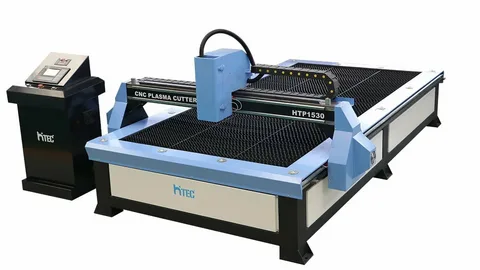
Growth inside a fabrication shop often reveals itself through bottlenecks long before anyone realizes the equipment is holding them back. As workloads increase and expectations rise, the need for tighter control over metal cutting becomes more obvious. Understanding the signals helps shop owners decide when it’s time to bring in a CNC plasma cutting machine to keep production moving efficiently.
Demand for Precise Metal Parts Is Rising Steadily
Increasing demand for accurate parts pushes manual cutting methods to their limits. Customers expect consistent dimensions, cleaner edges, and repeatable results for every job. A plasma cutter with CNC control satisfies these expectations by producing identical parts across large or small batches.
As orders shift toward tighter tolerances, shops benefit from automated precision. A CNC plasma cutter follows programmed paths exactly, preventing the slight variations that occur with hand-guided torches. Shops noticing a rise in detail-oriented work often reach a point where automation becomes the practical next step.
Shop Workflow Needs Faster Cutting than Manual Tools Allow
Manual tools create a natural slowdown in the workflow. Cutting thicker plate or complex shapes takes time and interrupts assembly or finishing stages. A CNC plasma cutting machine greatly increases throughput by cutting faster and reducing setup time between parts. Speed also affects scheduling. Faster cutting means fabricators can begin bending, welding, or machining sooner, allowing jobs to move through production at a steady pace. CNC companies near me frequently see shops upgrade once delays begin affecting deadlines.
Fabrication Errors Increase with Hand-guided Cutting Methods
Human error has a way of showing up in uneven edges, inconsistent kerf widths, and misaligned cuts. These mistakes cost time, material, and labor. As error rates climb, it becomes clear that manual plasma cutting struggles to keep up with accuracy demands.
Automated cutting dramatically reduces these inconsistencies. A CNC machine company equips operators with software that ensures paths are followed without guesswork. The shift from hand-guided cuts to digital control often results in smoother operations and less scrap.
Production Schedules Tighten and Turnaround Times Shrink
Short lead times put pressure on every stage of fabrication. If a shop must produce multiple parts quickly, manual methods may no longer sustain the required pace. A CNC plasma cutter shortens turnaround by producing parts efficiently without sacrificing quality.
Tighter schedules also require predictable output. Automated systems offer consistent speed and accuracy, allowing shops to plan their timelines more confidently. This reliability becomes essential in competitive environments where missed deadlines can cost future business.
Material Waste Grows from Inconsistent Cutting Quality
Material waste becomes more noticeable as steel prices rise. Inaccurate cuts, oversized parts, or missed lines all contribute to unnecessary costs. CNC plasma cutting machines reduce waste by optimizing cut paths and maintaining consistent quality. Digital nesting software arranges parts on sheet metal to maximize every inch of material. Shops that previously relied on manual layout often see a significant drop in scrap after transitioning to CNC automation.
Skilled Operators Are Available to Run CNC Equipment
Adding CNC technology requires team members who can manage programming, maintenance, and workflow integration. When a shop has workers ready to take on this responsibility, upgrading becomes a forward-thinking investment.
Operators benefit from understanding digital drawing tools and machine parameters. With proper training, they quickly adapt to a CNC plasma cutter and help the shop work more efficiently.CNC companies near me often assist with training to ensure new equipment is used effectively.
Projects Require Complex Shapes Beyond Basic Plasma Tools
As design complexity increases, manual cutting simply cannot replicate the accuracy of digital motion control. Intricate patterns, tight radii, and multi-part assemblies require the precision that only a CNC plasma cutting machine can deliver. Complex designs also demand smooth edges that fit with downstream processes such as bending or welding. A CNC plasma cutter allows fabricators to take on advanced projects they previously had to decline.
Existing Cutters Struggle with Thicker or Harder Metals
Older machines or handheld tools may have trouble maintaining cut quality on thick plate or alloyed metals. Slow cutting, rough edges, or incomplete penetration signal that the equipment has reached its limit. Upgrading to a CNC plasma cutter with higher amperage solves these issues.
A modern CNC machine company customizes systems based on metal type and thickness ranges, ensuring optimal performance across different materials. Shops working with diverse metals benefit greatly from this flexibility.
Quality Expectations Exceed What Traditional Methods Deliver
Rising expectations often reflect industry trends. Customers want flawless cuts, ready-to-weld edges, and consistent geometry. Traditional cutting methods may meet basic needs but fall short when quality becomes a priority. Automated cutting systems achieve uniformity that manual tools cannot. Shops committed to improving craftsmanship eventually recognize that upgrading is necessary to stay competitive.
Clear signs signal when it’s time to modernize cutting operations. Amtec Solutions Group supports shops by providing CNC plasma systems, engineered automation, and integrated solutions that help fabricators increase precision, reduce waste, and enhance workflow efficiency as their business grows.

