
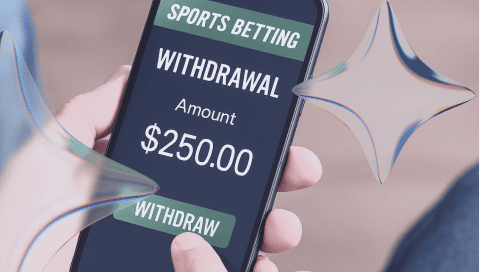
Depositing and withdrawing money is an important part of using sports betting sites, but payment security should always come before convenience. A reliable betting platform should provide clear information about accepted payment methods, transaction limits, processing times, verification requirements, and applicable fees.
Before transferring any money, users should understand both the payment process and the risks involved. Online betting involves financial risk, so only money that can be comfortably lost should ever be used.
Choose a Reputable and Properly Licensed Platform
The first step toward safer transactions is choosing a legitimate operator that is authorized to offer betting services in your jurisdiction. Licensing and regulatory information should be easy to find, while the site’s terms should clearly explain how deposits, withdrawals, identity checks, and account restrictions work.
A professional platform should also use appropriate security measures to protect account and payment information. Recent industry guidance commonly highlights encryption, two-factor authentication, fraud monitoring, and responsible-gambling tools as important safety features.
Use a Payment Method in Your Own Name
Whenever possible, use a bank account, card, or approved digital payment account that belongs to you. Third-party payment methods can create verification problems and may cause withdrawals to be delayed.
Using your own payment method also makes it easier to keep transaction records and demonstrate ownership if an operator requests additional verification.
Check Deposit Conditions Before Paying
Do not deposit money simply because a platform advertises a bonus or promotion. Read the relevant terms first and check the minimum and maximum deposit amounts, possible fees, supported currencies, and any restrictions connected to promotional funds.
Some bonuses have wagering requirements or other conditions that must be completed before bonus-related funds can be withdrawn. Understanding these conditions in advance can prevent unpleasant surprises later.
Protect Your Account Before Making a Deposit
Account security is just as important as payment security. Create a strong, unique password and enable two-factor authentication when the platform provides it. Avoid sharing passwords, verification codes, or account access with anyone.
It is also wise to avoid making financial transactions over unsecured public Wi-Fi. Keeping your device, browser, and security software updated provides another layer of protection.
Make a Small Test Deposit
If you are using a platform for the first time, consider making a small deposit rather than immediately transferring a large amount. This allows you to confirm that the payment method works correctly and that the funds appear in your betting balance.
Keep the transaction confirmation or receipt. Having a record of the payment can be useful if a transaction is delayed or disputed.
Understand Withdrawal Requirements
Withdrawals can involve additional checks. Operators may require identity verification before releasing funds, particularly for larger transactions or accounts that have not completed verification.
Before betting, check the platform’s withdrawal rules, including minimum withdrawal amounts, available withdrawal methods, processing times, verification requirements, and potential fees. Knowing these details beforehand makes the process more predictable.
Withdraw Through Secure Channels
Use only the withdrawal options displayed inside your account’s official cashier or payment section. Never send payment information to someone who contacts you unexpectedly through social media, messaging apps, or email.
Be particularly cautious if someone asks you to pay an additional unofficial fee to unlock your winnings. Any legitimate charges should be explained within the operator’s official terms and transaction process.
Keep Track of Your Transactions
Maintaining a simple record of deposits, withdrawals, bets, and account balances can help you monitor your activity. Bank statements, payment confirmations, and transaction IDs can also provide useful evidence if a payment problem occurs.
Regularly reviewing your account activity can help you spot transactions that you do not recognize.
Be Careful With Personal Information
Payment transactions may require identity verification, but sensitive documents should only be submitted through the platform’s secure, official verification system. Never send copies of identification documents or financial details to an unknown person claiming to represent a betting company.
If you receive a suspicious message requesting payment information, independently access the betting platform rather than clicking an unfamiliar link.
Watch for Unusual Transaction Problems
A delayed transaction does not automatically mean that money has been lost. Payments can sometimes be held for routine verification, banking delays, technical problems, or compliance checks.
However, repeated unexplained delays, unclear fees, changing withdrawal conditions, or requests for unusual payments should be treated as warning signs. Stop sending additional funds until the situation has been properly clarified through official customer support.
Responsible Money Management Matters
Safe deposits and withdrawals are only one part of responsible betting. Set a personal spending limit before placing bets and avoid using money needed for rent, bills, food, savings, or other essential expenses.
Never increase deposits simply because you want to recover previous losses. Betting should be treated as entertainment rather than a guaranteed way to make income. Responsible-gambling tools such as deposit limits, time limits, cooling-off periods, and self-exclusion can help users maintain control.
Final Thoughts
Using sports betting sites safely requires more than finding a convenient payment method. Users should choose legitimate platforms, protect their accounts, use payment methods in their own name, understand bonus and withdrawal conditions, keep transaction records, and remain alert to suspicious requests.
Most importantly, financial safety starts with responsible spending. Deposit only what you can afford to lose, understand the withdrawal rules before placing bets, and never allow the desire to recover losses to influence your financial decisions.
