
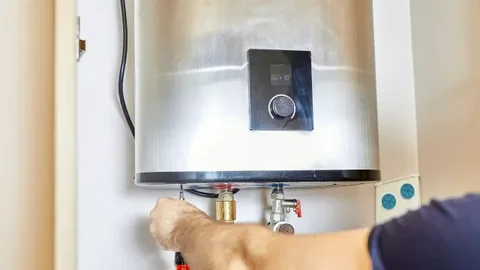
A home heater is one of those systems people rarely think about until something feels off. It sits quietly in the background, keeping rooms warm, preventing dampness, and making cold seasons bearable. But unlike visible appliances that show obvious wear, a heating system usually gives subtle hints before anything serious happens. This is why many homeowners struggle with a simple question: how often should a home heater actually be repaired?
The answer is not tied to a strict timeline. Instead, it depends on how the system behaves, how it is used, and how well it is cared for over time. Understanding these factors makes it easier to know when attention is needed without guessing or waiting for a breakdown.
Home Heaters Don’t Follow a Fixed Repair Schedule
Unlike routine home services that are scheduled every few months, heater repairs do not come with a standard interval. A well-functioning system may go years without needing any repairs at all. Others may require attention sooner if they are heavily used or poorly maintained.
This happens because a heating system is not a single unit working independently. It is a combination of electrical components, airflow channels, filters, burners or coils, and control systems working together. If one part becomes strained, the entire system may begin to behave differently.
Because of this complexity, repairs are not based on time alone. They are based on performance changes and overall condition.
Yearly Inspection Is the Closest Thing to a “Schedule”
Even though repairs are not predictable, most heating systems benefit from an annual inspection. This is usually done before colder months begin, when the heater is expected to work the hardest.
An inspection is not the same as a repair. In many cases, everything is working fine, and the visit simply confirms that the system is safe and efficient. But it also helps detect early issues that are not obvious during daily use.
Dust buildup, weak airflow, thermostat inconsistencies, or small electrical irregularities are often discovered during these checks. Fixing these early can prevent larger and more expensive problems later on.
So while there is no strict “repair every year” rule, there is a strong reason to check the system once annually.
The Heater Usually Shows Signs Before It Fails
One of the most important things homeowners can understand is that heaters rarely fail without warning. They usually give signals that something is not right.
For example, the heater may take longer than usual to warm the room. Instead of producing steady heat, it might cycle between warm and cool air. These changes often point to reduced efficiency or internal wear.
Another sign is uneven heating throughout the home. If one room feels comfortable while another stays cold, the issue may be related to airflow or duct imbalance rather than external weather conditions.
You might also notice the system running longer than it used to. When a heater struggles to reach the set temperature, it works harder, which increases energy usage and wear.
These early signs are the system’s way of communicating that something needs attention.
Usage Patterns Play a Bigger Role Than Time
How often a heater needs repair is heavily influenced by how it is used. A home in a colder region where heating runs for months at a time will naturally experience more wear than a home that only uses heating occasionally.
Frequent temperature changes also affect the system. Constantly adjusting the thermostat or switching between high and low settings forces components to respond repeatedly, which can gradually reduce efficiency.
Even short bursts of heavy use can impact long-term performance if the system is not maintained properly. On the other hand, steady and moderate use tends to keep systems stable for longer periods.
This means two homes with identical heaters can have completely different repair timelines simply because of usage habits.
Age of the System Changes Everything
Another key factor is the age of the heater. Newer systems are designed for efficiency and durability, often requiring minimal repairs in the early years of use. As the system gets older, parts naturally begin to wear down.
Fans may become noisier, sensors may become less accurate, and heating cycles may become less consistent. These changes do not always mean immediate failure, but they do increase the likelihood of repairs.
Older systems often need more frequent attention simply because their components are closer to the end of their lifespan. At this stage, maintenance becomes more important than ever in keeping the system stable.
Air Quality and Environment Affect Performance
The environment inside the home also plays a major role in heater health. Dusty or poorly ventilated spaces can cause filters to clog faster, reducing airflow and forcing the system to work harder.
Homes with pets may also experience faster buildup of debris inside the system. This affects airflow and can lead to uneven heating or reduced efficiency.
Humidity levels also matter. Excess moisture can impact certain components over time, especially if the system is not regularly cleaned or checked.
These environmental factors often determine whether a heater runs smoothly for years or begins showing issues earlier than expected.
Small Maintenance Habits Reduce Repair Needs
While repairs are not scheduled, maintenance habits make a big difference in how often they are needed. Simple actions such as changing air filters regularly help keep airflow strong and consistent.
Keeping vents unblocked allows heat to circulate properly throughout the home. Even small adjustments like ensuring furniture is not covering vents can improve system performance.
Allowing the heater to run periodically, even during warmer months, helps keep internal parts active and prevents stiffness or buildup.
These small habits reduce strain on the system and lower the chances of unexpected breakdowns.
When Repairs Should Not Be Delayed
Even though heater repairs are not frequent, there are moments when immediate action is necessary. If the system stops producing heat entirely, it should be checked right away.
Unusual smells, especially burning or chemical-like odors, should never be ignored. These can indicate electrical or internal issues that require urgent attention.
Loud or persistent noises that were not present before also signal that something inside the system is wearing out or loose.
In these situations, waiting can lead to more damage and higher repair costs.
A Practical Way to Think About Repair Frequency
Instead of thinking in terms of “how often per year,” it is more accurate to think in terms of “how often the system needs attention based on behavior.”
Some homes may only need a repair every few years, while others may need occasional fixes depending on usage and environment. What remains consistent is the importance of awareness and timely response.
Annual inspections combined with regular upkeep form the foundation of a healthy heating system. Repairs then happen only when the system shows clear signs of needing them.
Conclusion: Let the System Guide the Timing
So how often should you have a home heater repair at home? There is no fixed number of months or years that applies to every household. Instead, repair timing depends on performance, environment, age, and usage.
A well-maintained heater may go long periods without needing repairs, while still benefiting from yearly inspections and small maintenance habits. The key is not to wait for failure but to notice change early.
By paying attention to how the system behaves and maintaining it consistently, homeowners can keep their heating reliable, efficient, and long-lasting without unnecessary repair cycles.
