
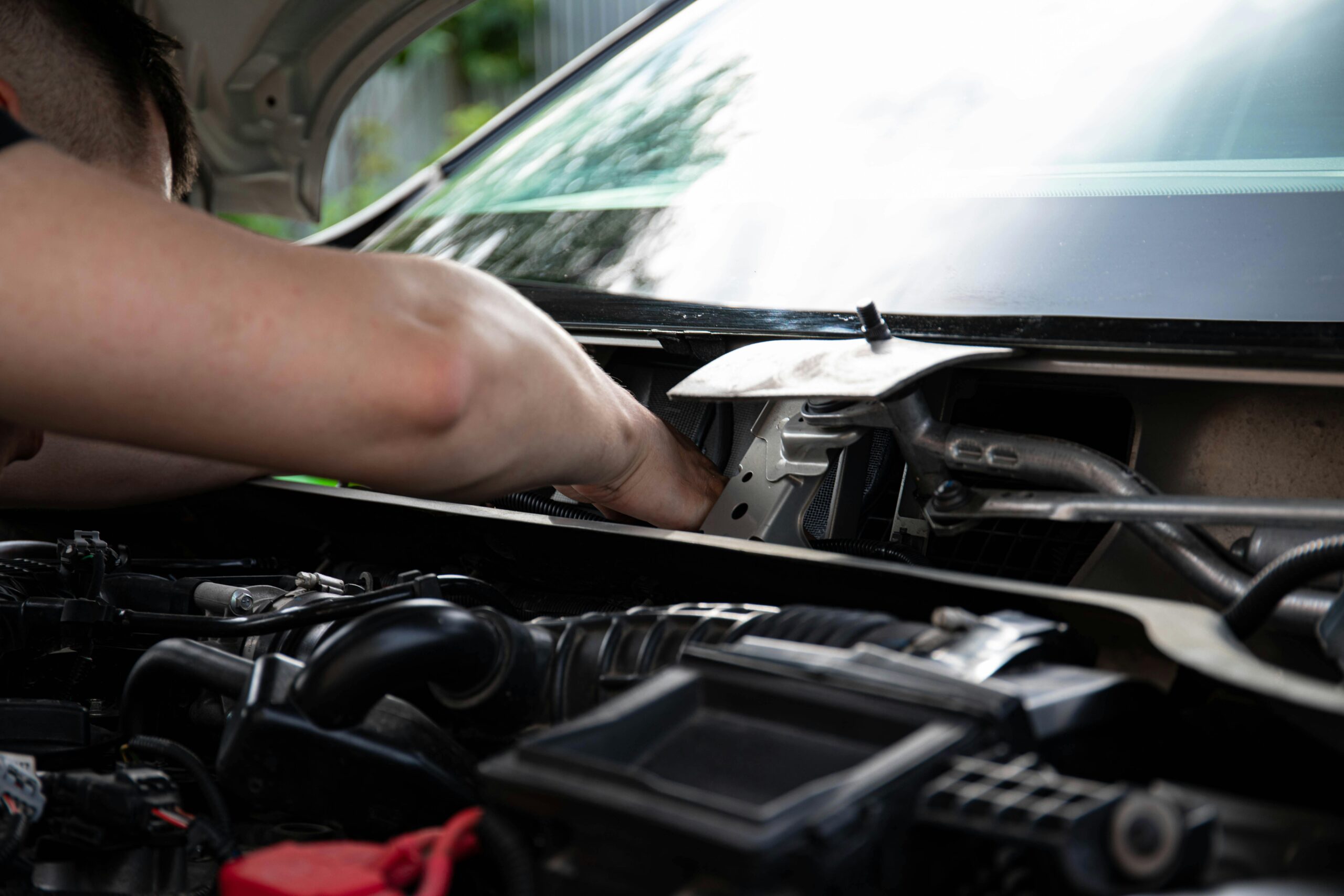
A car heater is one of those systems most drivers forget about—until it stops working on a cold morning or starts blowing air that never quite warms up. Unlike oil changes or brake inspections, there is no obvious reminder on your dashboard telling you when your heater needs attention. This makes many people wonder: how often should a car heater actually be repaired?
The truth is that there is no fixed timeline. Car heater repair is not something that follows a strict schedule. Instead, it depends on usage, vehicle condition, and early warning signs. Understanding how the system behaves helps you decide when attention is needed rather than waiting for a complete failure.
Why Car Heater Maintenance Doesn’t Follow a Fixed Schedule
Car heaters are not standalone systems. They are part of a larger network connected to your engine’s cooling system. Heat is generated by the engine, transferred through coolant, and then pushed into the cabin through the heater core and blower fan.
Because of this interconnected design, heater performance is tied to multiple components rather than a single part. That’s why there is no universal rule like “repair every two years.” Some vehicles may go years without heater issues, while others may need attention sooner depending on wear and environmental conditions.
Instead of time-based repairs, car heater care is best approached as condition-based maintenance. You respond to how the system performs rather than waiting for a specific date.
The Ideal Rhythm: Regular Checks Instead of Frequent Repairs
Even though repairs are not scheduled frequently, inspections should still be part of your yearly maintenance routine. A good habit is to have your heating system checked once a year, especially before colder seasons begin.
This does not mean the heater will need repairs every year. In many cases, a simple inspection reveals that everything is working normally. The purpose is prevention—catching small issues before they turn into bigger problems.
Think of it as a rhythm rather than a schedule. The system is checked regularly, but repaired only when signs of wear or malfunction appear.
Early Signs That Your Heater Needs Attention
One of the most reliable ways to know when a car heater needs repair is to pay attention to how it behaves. Weak airflow is often the first sign. If the fan is running but the air feels light or uneven, there may be a blockage or blower issue.
Another common warning sign is inconsistent heat. The air may start warm but quickly turn cold, or never fully heat up at all. This often points to issues with coolant flow or a malfunctioning thermostat.
Unusual smells should also be taken seriously. A sweet smell can indicate a coolant leak, while a damp or musty odor may suggest moisture buildup inside the system.
Strange sounds, such as rattling or buzzing when the heater is turned on, can signal mechanical wear in the fan or motor. These early indicators are your car’s way of telling you that something is not working as it should.
How Mileage Affects Heater Repair Frequency
While time is not the main factor, mileage plays an important role in determining when heater repairs may be needed. The more a vehicle is driven, the more strain is placed on its cooling and heating components.
High-mileage vehicles are more likely to experience issues such as clogged heater cores, worn hoses, or reduced coolant efficiency. After several years of regular use, these parts naturally degrade.
A vehicle with moderate use may not need heater repairs for a long time, while a heavily used one might require attention sooner. Monitoring mileage helps you understand when your system is entering a higher-risk stage of wear.
The Role of Coolant in Heater Health
Coolant is one of the most important elements in keeping your car heater working properly. If the coolant is old, dirty, or leaking, the heater cannot produce consistent warmth.
Over time, coolant loses its effectiveness and can accumulate debris that blocks flow through the heater core. This leads to weak heating or complete failure.
Most manufacturers recommend flushing or replacing coolant every few years. Keeping coolant fresh is one of the simplest ways to reduce how often heater repairs are needed. In many cases, proper coolant maintenance prevents major issues entirely.
Climate and Driving Habits Change Everything
How often you need heater repairs also depends heavily on where and how you drive. In colder climates, the heater is used frequently for long periods, which increases wear on the system. In warmer regions, the heater may sit unused for months, which can also cause problems like stuck valves or internal buildup.
Short trips can also affect performance. When the engine does not fully warm up, the heater may not operate efficiently, leading to inconsistent output over time. Longer drives allow the system to function under stable conditions, which can help maintain balance.
These factors make heater maintenance highly individual. Two cars of the same model can have very different repair needs based on usage patterns alone.
Preventive Habits That Reduce Repair Frequency
One of the most effective ways to reduce how often you need car heater repair is through simple preventive habits. Using the heater occasionally, even during warmer months, keeps the system active and prevents internal parts from sticking.
Checking coolant levels regularly also helps you catch small leaks before they become serious problems. Addressing minor issues early prevents damage from spreading to other components.
Regular overall vehicle servicing indirectly supports heater health as well. Since the heater is part of the cooling system, keeping the engine system in good condition naturally reduces heater-related issues.
When Repairs Should Not Be Delayed
Although heater problems may seem minor at first, delaying repairs can lead to bigger issues. A small coolant leak can escalate into engine overheating, which is far more serious and expensive to fix.
Similarly, ignoring weak airflow or unusual smells can result in complete heater failure when you need it most. In colder conditions, this becomes not just inconvenient but also a safety concern due to reduced visibility from fogged windows.
The key is to act early. The sooner a problem is identified, the simpler and less costly the repair usually is.
A Practical Answer to “How Often?”
So how often should you have a car heater repair? The most accurate answer is: only when the system shows signs of needing attention, not on a fixed timeline.
However, a practical approach includes yearly inspections, consistent coolant maintenance, and awareness of early warning signs. This combination ensures that problems are caught early and repairs are minimized.
In other words, frequency is not measured in months or years but in condition and performance.
Conclusion: Pay Attention Before Problems Grow
Car heater repair is not something that needs constant attention, but it is also not something that should be ignored until it fails. Its maintenance depends on observation, routine checks, and understanding how the system behaves over time.
By staying aware of changes in airflow, temperature consistency, and unusual sounds or smells, you can determine exactly when repairs are needed. Combined with regular coolant care and annual inspections, this approach keeps your heater reliable without unnecessary servicing.
In the end, the best maintenance schedule is not fixed—it’s responsive.
