
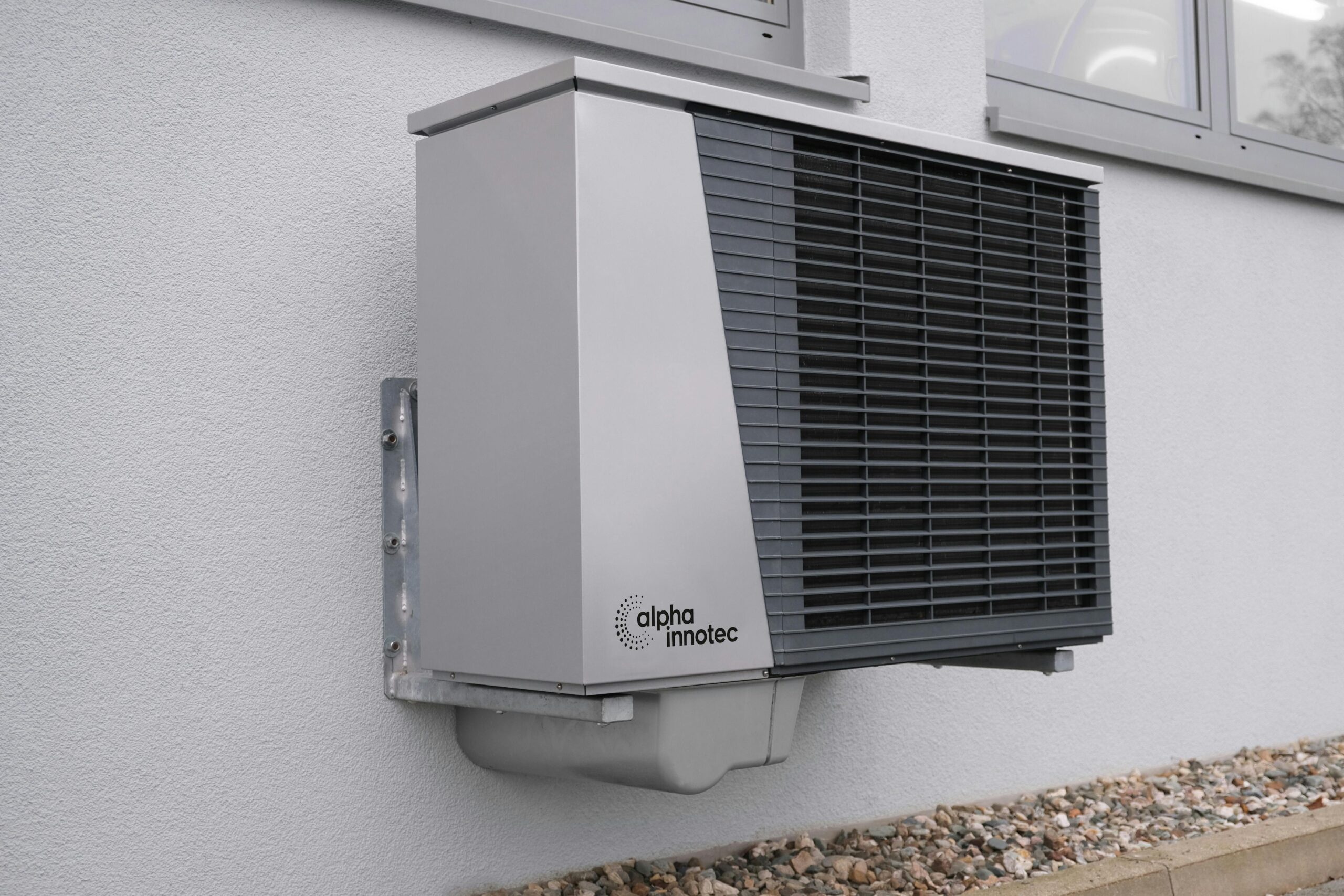
A residential HVAC system is one of the most important comfort systems in any home. It quietly regulates temperature, manages airflow, and helps maintain indoor air quality throughout the year. Yet despite its importance, many homeowners only think about it when something goes wrong—when the air stops cooling, heating becomes uneven, or energy bills suddenly rise.
Understanding how often your HVAC system should be checked is not just about preventing breakdowns. It is about maintaining efficiency, extending equipment life, and ensuring your home stays comfortable in every season.
Why HVAC Systems Need Regular Attention
Unlike smaller home appliances, an HVAC system is a complex network of components working together. It includes heating units, cooling coils, air handlers, ductwork, filters, and electrical controls. Each part plays a role in keeping indoor conditions stable.
Because so many components are involved, wear and tear happens gradually and often goes unnoticed. Dust builds up inside ducts, filters become clogged, refrigerant levels shift, and electrical parts slowly lose efficiency. These changes do not usually cause sudden failure, but they reduce performance over time.
Regular checks are essential because they catch these small changes before they develop into larger, more expensive problems.
The General Rule: At Least Once or Twice a Year
Most residential HVAC systems should be checked at least once a year, and in many cases, twice a year is even better. The reason for this timing is simple: HVAC systems work differently depending on the season.
Cooling systems are heavily used during warmer months, while heating systems take over during colder periods. Because each function places different demands on the equipment, checking the system before each major seasonal shift helps ensure everything is ready to perform efficiently.
A spring check usually focuses on cooling performance, while a fall check prepares the heating components for colder weather. This seasonal rhythm helps keep the system balanced year-round.
Why Annual Checks Are Not Optional
Even if your HVAC system seems to be working fine, skipping annual inspections can lead to hidden problems. One of the most common issues is reduced efficiency. A system that is slightly clogged or low on refrigerant may still run, but it will use more energy to do the same job.
Over time, this increases utility costs and puts unnecessary strain on the equipment. Small inefficiencies also tend to grow quietly until they become major repairs.
Annual inspections help ensure that airflow is strong, temperature control is accurate, and all components are operating within safe limits. It is not just about fixing problems—it is about preventing them from developing in the first place.
Signs That Your System Needs Immediate Checking
While yearly inspections are recommended, some situations require immediate attention outside the normal schedule. One of the most obvious signs is uneven temperature throughout the home. If certain rooms feel significantly warmer or colder than others, airflow or duct issues may be present.
Another warning sign is unusual noise. HVAC systems normally produce a steady, low hum. If you begin hearing rattling, buzzing, or grinding sounds, it often indicates a mechanical issue that should not be ignored.
A sudden increase in energy bills is another signal that something may be wrong. When a system loses efficiency, it works harder and consumes more power without delivering better results.
Weak airflow, strange odors, or frequent cycling on and off are also indicators that the system needs a closer look.
The Role of Maintenance in Extending System Life
Regular HVAC checks do more than prevent breakdowns—they extend the life of the entire system. When components are cleaned, adjusted, and inspected regularly, they experience less strain over time.
For example, a clean filter allows air to flow freely, reducing stress on the blower motor. Proper refrigerant levels ensure the cooling system does not overwork itself. Tight electrical connections prevent overheating and system interruptions.
These small adjustments may seem minor, but they collectively have a significant impact on how long the system lasts. A well-maintained HVAC system can often function efficiently for many years longer than one that is neglected.
How Usage Patterns Affect Check Frequency
The frequency of HVAC checks can also depend on how the system is used. Homes in regions with extreme temperatures tend to rely heavily on heating or cooling for long periods, which increases wear on the system.
In milder climates, HVAC systems may not run as frequently, but that does not eliminate the need for regular inspections. Even unused systems can develop issues such as dust buildup, stagnant components, or minor electrical faults.
Households with large families or frequent occupancy changes may also place more demand on the system due to constant temperature adjustments. The more active the system is, the more often it benefits from inspection.
Indoor Air Quality and System Performance
HVAC systems are not only responsible for temperature control—they also influence indoor air quality. Over time, dust, allergens, and debris can accumulate within ducts and filters.
If the system is not checked regularly, these particles may circulate throughout the home, affecting air quality and comfort. Regular inspections help ensure that filters are clean and airflow pathways remain clear.
This is especially important for households with children, elderly individuals, or anyone with respiratory sensitivities. Clean air circulation is just as important as temperature control when it comes to overall home comfort.
Preventive Checks Are More Cost-Effective Than Repairs
One of the most overlooked benefits of regular HVAC inspections is cost savings. Preventive maintenance is almost always less expensive than emergency repairs or system replacements.
A small issue such as a worn belt or clogged drain line can be fixed quickly during a routine check. If left unnoticed, the same issue could lead to system failure or water damage.
Regular checks help avoid these unexpected expenses by addressing problems early, when they are still simple to fix.
Balancing Comfort and Efficiency
A well-checked HVAC system does more than just run—it runs efficiently. This means your home reaches desired temperatures faster, maintains them more consistently, and uses less energy in the process.
Efficiency is not only about reducing costs. It also improves comfort. A properly maintained system avoids sudden temperature swings and keeps airflow balanced throughout the home.
This balance is what makes regular HVAC checks so valuable. They ensure that comfort is consistent and energy use remains controlled.
Conclusion: A Simple Routine That Prevents Big Problems
So how often should you have your residential HVAC system checked? The most reliable answer is at least once a year, with many homes benefiting from twice-yearly inspections aligned with seasonal changes.
While the system may continue to run without frequent attention, regular checks ensure it runs efficiently, safely, and reliably. They help catch small issues before they become expensive problems and extend the life of the entire system.
In the end, HVAC maintenance is not about reacting to breakdowns. It is about creating a steady routine that keeps your home comfortable all year long with fewer surprises and better performance.
