




Industrial teams often reconsider their framing choices once they see how differently projects move depending on the material used. MiniTec Aluminum Framing brings a lighter, more adaptable approach, while steel weldments offer rigid permanence that suits some—but not all—applications. Understanding where each option excels makes it easier to choose the right system for modern production needs.
Aluminum Framing Weighs Far Less than Typical Steel Weldments
MiniTec Aluminum Framing is significantly lighter than steel, which immediately changes how structures are built, moved, and supported. Lighter systems are easier to transport across production floors and require fewer hands or tools to position. This difference also reduces strain on supporting equipment, especially in automated lines or modular setups. The lower weight does not mean lower performance. MiniTec extruded aluminum framing maintains impressive strength while remaining easy to handle. Teams benefit from increased flexibility during installations and adjustments, since individual sections rarely require cranes or heavy rigging.
Built-in Modular Slots Simplify Assembly Without Welding Heat
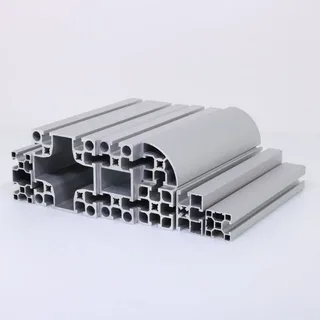
One of the most defining features of extruded aluminum T slot systems is their modular slot design. These slots accept fasteners, connectors, and brackets without welding, drilling, or grinding. Builders can rearrange components on the fly, tightening fasteners with simple tools. Avoiding welding heat eliminates distortion, burn marks, and cooling delays. It also removes the need for certified welders, making assembly accessible to a much wider range of workers. T slot extrusion drastically shortens build times while improving accuracy throughout the structure.
Corrosion Resistance Outperforms Steel in Many Environments
Aluminum naturally resists oxidation. Its surface forms a protective layer that shields against moisture, chemicals, and cleaning solutions. Steel weldments require painting, coating, or galvanization to prevent rust—processes that add cost and ongoing maintenance.
With T slot aluminum extrusion, corrosion concerns are minimal, especially in food production, packaging, electronics, and cleanroom environments. This longevity translates into fewer repairs and a cleaner, more professional appearance over time.
Adjustments and Reconfigurations Are Easier than with Weldments
Steel weldments offer permanence, but that permanence becomes a limitation when layouts change. Altering welded assemblies means cutting, grinding, and re-welding, which often costs more than rebuilding from scratch. MiniTec Aluminum Framing supports easy reconfiguration because components can be loosened, repositioned, or repurposed without damaging the material.
Modifications such as adding machine guards, shelves, tool holders, or extensions take minutes instead of days. Extruded aluminum T slot systems encourage long-term adaptability, especially in facilities that frequently update processes or equipment.
Load Capacities Vary but Often Match Lighter Steel Structures
Aluminum is lighter, but its engineered profiles distribute load efficiently. MiniTec extruded aluminum framing often matches or exceeds the load requirements of lighter steel structures, especially for machine bases, conveyors, and modular workstations.
Understanding load distribution is key. T slot extrusion allows internal connectors and reinforcements, adding strength exactly where needed. This targeted approach can outperform steel builds that rely on heavier material simply to avoid reinforcement complexity.
Aluminum Framing Reduces the Need for Heavy Lifting Tools
Steel weldments often require forklifts, hoists, or multiple workers to maneuver. MiniTec Aluminum Framing removes that burden, allowing single-person adjustments and simplified assembly. This reduction in heavy lifting lowers injury risks and expands who can safely participate in installations.
The reduced tool requirement also speeds up maintenance. Technicians can remove or reposition sections without calling additional staff or waiting for equipment availability. T slot aluminum extrusion is intentionally designed to promote speed and safe handling.
Finishing Requirements Are Simpler than Grinding and Painting Steel
Steel surfaces require post-welding treatment, including grinding welds, deburring edges, and applying paint or protective coatings. These steps add labor time, curing time, and material cost. Aluminum framing arrives with a clean anodized finish that requires no additional work.
This clean surface is ideal for environments requiring hygiene or easy cleaning. Extruded aluminum T slot components maintain their finish for years, resisting fading, cracking, or peeling—common problems with painted steel.
Lead Times Can Be Shorter Since No Welding Fabrication Is Needed
Welded steel structures require fabrication scheduling, welding time, finishing, and inspection before they can be shipped. MiniTec Aluminum Framing, by contrast, is assembled from pre-extruded profiles cut to length. This reduces lead times dramatically.
Facilities with tight deadlines benefit from the fast turnaround, and CNC companies frequently choose aluminum framing to shorten project delivery cycles. Avoiding weld queues alone can shave weeks off a typical build.
Reuse and Component Repurposing Are More Straightforward than Steel-based Assemblies
Steel structures are difficult to repurpose because cutting them apart weakens the material and compromises their geometry. MiniTec Aluminum Framing allows full reuse of components—extrusions, fasteners, corner brackets, and panels can all be rearranged for future projects.
This reuse capability reduces waste and helps facilities adjust as production needs evolve. T slot aluminum extrusion was designed with repurposing in mind, making it one of the most environmentally and financially efficient framing systems available.
MiniTec Aluminum Framing offers a lighter, more adaptable, and more maintenance-friendly alternative to steel weldments. MiniTec Solutions designs modular systems that fit unique production needs, offering custom extruded aluminum T slot designs, streamlined builds, and flexible configurations that evolve with your facility.

