
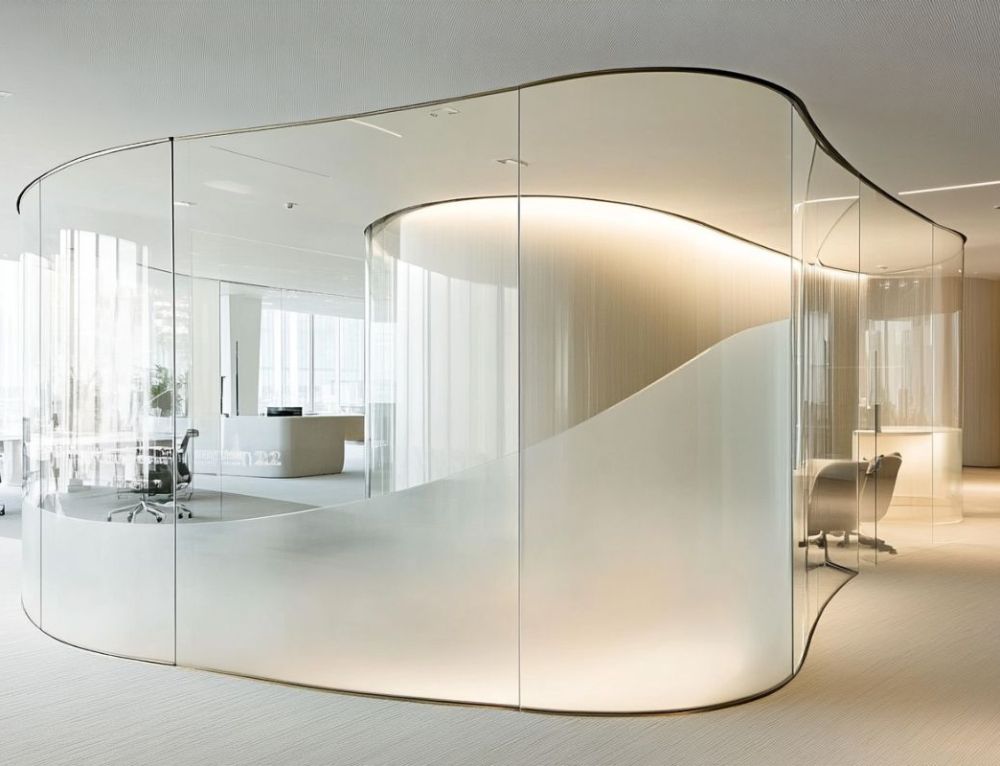
Modern interior design increasingly incorporates flowing shapes, rounded edges, and seamless transitions to create visually appealing and functional environments. Custom curved solid surface applications offer a practical way to achieve these design features while maintaining a smooth, consistent finish. Unlike conventional flat surface materials, solid surfaces can be fabricated into curved forms that accommodate creative architectural concepts and specific project requirements.
With material solutions from Hyundai L&C, designers, architects, and property developers can consider how curved surfaces contribute to both aesthetics and everyday functionality. From reception counters to bathroom fixtures and commercial interiors, these applications provide opportunities to create distinctive spaces without compromising practical considerations.
What Makes Solid Surface Materials Suitable for Curved Designs?
Solid surface materials are manufactured using a combination of mineral fillers, resins, and pigments. Their composition creates a consistent material that can be fabricated into different shapes, including rounded corners, curved panels, and integrated forms.
One important characteristic is thermoformability. Depending on the product formulation and manufacturer’s specifications, certain solid surface materials can be heated and shaped using specialized fabrication equipment. This process allows fabricators to produce controlled curves that would be difficult to achieve with conventional rigid countertop materials.
Other characteristics that make solid surfaces suitable for curved applications include:
- Seamless appearance: Proper fabrication and joining techniques can create smooth transitions between connected sections.
- Nonporous surface: Many solid surface products resist moisture absorption and are suitable for applications where hygiene and easy cleaning matter.
- Repairability: Certain surface scratches and minor damage can be addressed through appropriate refinishing procedures.
- Design flexibility: Materials can accommodate different colors, patterns, thicknesses, and custom profiles, depending on the product range.
These characteristics make solid surfaces a practical consideration for projects that require both design flexibility and functional performance.
Popular Custom Curved Solid Surface Applications
Curved surfaces can serve different purposes depending on the layout, intended use, and overall architectural concept. Their versatility makes them suitable for residential, hospitality, healthcare, and commercial environments.
1. Curved Reception Desks and Front Counters
Reception areas establish an important first impression for visitors. A curved reception desk can create a welcoming appearance while helping the workspace feel more open and accessible.
Solid surface materials allow designers to incorporate rounded front panels, flowing counter edges, and integrated transaction surfaces. These features can also help eliminate sharp corners in areas with frequent pedestrian movement.
For commercial projects, the design should account for practical requirements such as workspace dimensions, equipment placement, cable management, and accessibility. The curve should complement the reception area’s layout rather than interfere with staff movement or visitor access.
2. Curved Kitchen Countertops and Islands
Kitchen islands often serve as preparation areas, dining spaces, and gathering points. Introducing curved edges or rounded island profiles can soften the appearance of the kitchen while improving movement around the workspace.
Custom fabrication makes it possible to incorporate rounded breakfast bars, curved countertop extensions, and flowing island shapes. These designs can be particularly useful in open-plan kitchens where the island functions as a visual connection between cooking and living areas.
When planning a curved countertop, consider the following:
- Available floor space and clearance around the island.
- Seating arrangements and comfortable legroom.
- Placement of sinks, appliances, and electrical outlets.
- Countertop thickness and the structural support required.
- Cleaning access around curved edges and transitions.
Careful planning ensures that the finished countertop remains practical for everyday kitchen activities.
3. Curved Bathroom Vanities and Washbasins
Bathrooms benefit from materials that can accommodate moisture exposure and straightforward maintenance. Solid surface materials can be fabricated into curved vanity countertops, integrated basins, and rounded sink surrounds.
A curved vanity can soften an otherwise angular bathroom layout, while an integrated basin can create a more continuous appearance with fewer visible joints. These design choices can also support a coordinated look between the countertop, basin, and surrounding fixtures.
However, proper installation remains essential. Fabricators should follow the manufacturer’s recommendations for support, sealing where applicable, plumbing connections, and maintenance. These considerations help ensure that the finished installation performs as intended.
4. Curved Wall Panels and Interior Features
Curved wall panels can introduce movement and visual interest into spaces that would otherwise rely on straight architectural lines. They are useful in hotel lobbies, retail interiors, healthcare facilities, and contemporary residential settings.
Designers can use curved solid surface panels to create feature walls, decorative columns, reception backdrops, and integrated architectural details. Consistent colors and surface finishes can help these elements complement nearby furniture, flooring, and fixtures.
The dimensions and degree of curvature should be determined early in the design process. This allows fabricators to assess material limitations, installation requirements, and the appropriate construction method before production begins.
5. Custom Furniture and Display Installations
Solid surface materials can also be incorporated into custom furniture and retail displays. Curved shelving, product display counters, side tables, and decorative furniture components can introduce softer forms into commercial interiors.
For retail environments, curved display surfaces can guide customer movement and create a more cohesive presentation area. In hospitality settings, rounded tables and counters can help establish a consistent interior design language.
The intended load, attachment method, and frequency of use should be considered when selecting the material thickness and support structure.
Important Considerations When Designing Curved Solid Surfaces
Although solid surface materials offer considerable design flexibility, successful fabrication requires more than selecting an attractive shape. Material properties, production methods, and installation conditions all influence the final result.
Understand Thermoforming Requirements
Thermoforming involves heating a suitable solid surface sheet until it becomes flexible enough to form around a prepared mold. Once shaped and cooled under controlled conditions, the material retains the intended profile.
Not every solid surface product has identical thermoforming capabilities. The recommended heating temperature, forming radius, sheet thickness, and cooling procedure depend on the specific material.
Working within manufacturer guidelines helps prevent defects such as discoloration, stress, cracking, or inconsistent curvature.
Evaluate Minimum Bending Radius
The minimum bending radius determines how tightly a sheet can be curved without compromising its integrity. A smaller radius generally requires more careful evaluation of material thickness, formulation, and fabrication conditions.
Designers should communicate the intended dimensions to fabricators before finalizing drawings. This helps establish whether the desired profile is achievable with the selected material.
Plan Seams and Joints Carefully
Curved installations often require multiple fabricated sections, particularly when working with large countertops, wall panels, or complex architectural forms.
Seam placement should be considered during the design stage. Experienced fabricators can determine suitable joining locations and techniques to create consistent transitions while maintaining the intended appearance.
Consider Structural Support
A curved surface must have adequate support for its intended application. Countertops, reception desks, and furniture installations may require custom substrates or internal reinforcement, depending on their dimensions and expected loads.
Structural requirements should be assessed before fabrication rather than addressed after installation.
How to Maintain Curved Solid Surface Installations
Regular maintenance helps preserve the appearance and usability of solid surface installations. Although many products are designed for everyday use, cleaning procedures should follow the manufacturer’s care instructions.
For routine maintenance, consider these practices:
- Clean surfaces with a soft cloth and a suitable mild cleaning solution.
- Avoid abrasive cleaning products unless specifically approved by the manufacturer.
- Wipe spills promptly, particularly when dealing with strongly colored substances.
- Use appropriate protective measures when placing hot cookware or equipment on countertops.
- Address scratches and surface damage using recommended repair procedures.
Curved edges and integrated features should receive the same attention as flat sections. Consistent cleaning helps prevent residue from accumulating around transitions, joints, and corners.
Choosing the Right Approach for a Curved Surface Project
A successful curved solid surface installation begins with a clear understanding of the project’s functional and visual requirements. Before fabrication, designers and property owners should establish the intended application, dimensions, material specifications, and installation conditions.
Reviewing material samples can help determine whether the color, texture, and finish complement the surrounding interior. It is also important to confirm the product’s suitability for the proposed forming process and intended environment.
Collaboration between architects, designers, fabricators, and installers helps address technical requirements before production. Clear drawings, accurate measurements, and manufacturer-approved fabrication procedures reduce the likelihood of unnecessary adjustments during installation.
Conclusion
Custom curved solid surface applications provide architects and designers with opportunities to incorporate flowing forms into residential and commercial interiors. From reception counters and kitchen islands to bathroom vanities, wall panels, and custom furniture, these installations combine design flexibility with practical surface characteristics. Material solutions from Hyundai L&C offer design professionals options to consider when planning distinctive curved surface features.
Achieving a successful result requires careful material selection, appropriate thermoforming techniques, accurate measurements, and proper structural support. By considering these factors early in the project, design professionals can create curved surfaces that complement the surrounding space while meeting everyday functional requirements.
