





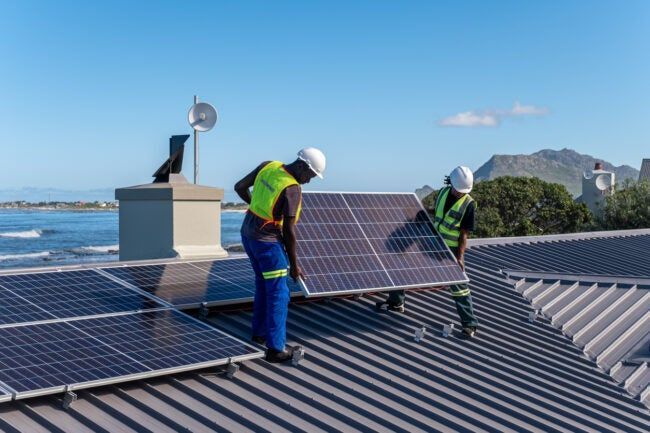
The solar industry has evolved far beyond traditional rooftop panels. Today, integrated solar roof tiles—also known as solar shingles—are redefining how we think about renewable energy and architectural design. These cutting-edge systems generate clean power while doubling as the actual roofing material, offering both aesthetic appeal and functional performance. But installing a solar roof requires a specialized approach that combines roofing expertise with electrical precision. Understanding these Commercial solar Leicester installation techniques can help homeowners and builders appreciate the complexity, efficiency, and long-term benefits of integrated solar tiles.
What Are Integrated Solar Roof Tiles?
Integrated solar roof tiles are photovoltaic (PV) units built directly into roofing materials, such as shingles or tiles. Unlike traditional solar panels mounted on top of an existing roof, these systems replace conventional roof coverings, blending seamlessly with the structure.
Each tile contains solar cells that capture sunlight and convert it into electricity, just like standard panels. The difference lies in their form factor—solar roof tiles mimic the look of slate, clay, or asphalt shingles, maintaining the home’s visual harmony while generating energy.
Modern designs from companies such as Tesla, GAF, and CertainTeed have made solar roof tiles more durable, efficient, and accessible, positioning them as a premium yet increasingly practical choice for new constructions and roof replacements.
Benefits of Integrated Solar Roof Systems
Before exploring installation methods, it’s important to understand why homeowners and businesses are turning to this technology:
-
Seamless aesthetics: The system blends naturally with your roofline, eliminating bulky panels.
-
Space efficiency: Ideal for smaller rooftops or architectural designs that can’t support panel racks.
-
Weather protection: Functions as both a power generator and a durable roofing surface.
-
Long lifespan: Engineered to last 25–30 years, matching or exceeding traditional roofing materials.
-
Energy savings: Generates clean, renewable power without compromising style or structure.
These advantages make integrated solar tiles an appealing solution for property owners who want sustainability without sacrificing design integrity.
Pre-Installation Considerations
Before installation begins, several critical assessments ensure the system performs efficiently and safely:
-
Roof Evaluation:
The roof’s structure must support the weight of the tiles while providing the right slope and orientation for solar exposure. South-facing roofs in the Northern Hemisphere offer the best performance. -
Electrical Load Assessment:
A licensed solar electrician evaluates energy demand and designs an appropriate inverter and battery system to handle the expected output. -
Permits and Regulations:
Solar roofs often require approval from local building authorities and electrical inspectors. This includes structural compliance and fire safety certifications. -
Material Coordination:
Since solar tiles integrate with standard roofing materials, installers must plan where active (power-generating) and inactive (non-PV) tiles will be placed for balanced coverage.
Installation Techniques Step-by-Step
Installing integrated solar roof tiles is a specialized process that blends roofing craftsmanship with electrical precision. Below is a step-by-step breakdown of how professional installers typically complete the job.
1. Roof Preparation and Underlayment
The process begins with removing the old roofing materials and inspecting the roof deck for damage or uneven surfaces. Installers then apply a waterproof underlayment, a protective barrier that prevents leaks and adds insulation. This layer must be heat- and UV-resistant, as it will be partially exposed to the elements beneath the tiles.
2. Layout Planning and Tile Mapping
Next, the layout is mapped to define where solar tiles will be placed for optimal sunlight exposure. Active PV tiles are positioned in the most sunlit zones, while non-active tiles cover shaded or less effective areas. This mapping ensures even electrical distribution and aesthetic uniformity.
3. Mounting and Electrical Integration
Solar tiles are interlocked or anchored directly to the roof deck using specialized mounting brackets or integrated clips. Each tile has built-in connectors that allow plug-and-play wiring—streamlining the electrical installation while maintaining waterproof integrity.
As tiles are installed, DC cabling runs underneath the roof surface to a central junction box. From there, the current is directed to an inverter, which converts DC electricity into AC power for household use.
4. Flashing and Sealing
Once tiles are connected, installers add flashing components around vents, chimneys, and roof edges to prevent moisture intrusion. This step is crucial for maintaining roof durability and preserving warranties. Proper sealing also prevents thermal expansion from loosening tiles over time.
5. Inverter and Battery Connection
The inverter is installed in a convenient indoor or weather-protected outdoor location, typically near the main electrical panel. For off-grid or hybrid systems, battery storage units are also connected at this stage, allowing homeowners to store excess energy for nighttime or backup use.
6. Testing and Commissioning
After all tiles and wiring are in place, the system undergoes performance testing. Installers check electrical connections, voltage levels, and tile functionality to confirm that every section operates correctly. The final step involves inspection and approval from local building authorities before the system is activated.

