
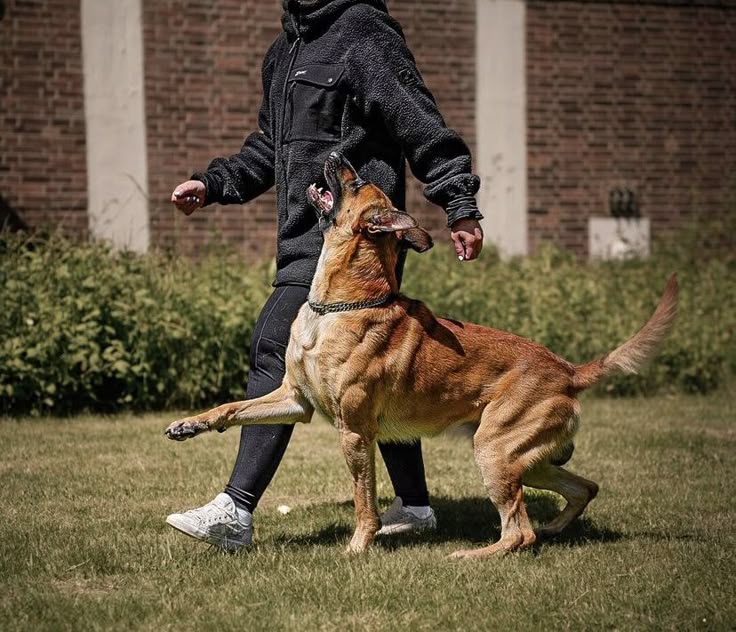
For many dog owners in Los Angeles, few behavioral challenges are as stressful and concerning as aggression and reactivity. Whether it’s lunging and barking at other dogs on a walk, growling at strangers, or exhibiting fear-based aggression, these behaviors can make daily life difficult and even dangerous. Fortunately, Los Angeles is home to highly skilled professional dog trainers and behaviorists who specialize in compassionately and effectively addressing these complex issues, offering a path to peace of mind for both dogs and their human companions.
Understanding Aggression and Reactivity
It’s crucial to distinguish between aggression and reactivity, though they often overlap.
- Reactivity: Typically involves an overreaction (barking, lunging, growling) to a specific stimulus (e.g., other dogs, people, cars) while on leash or behind a barrier. It’s often rooted in fear, frustration, or over-excitement, and the dog isn’t necessarily intending harm.
- Aggression: Involves an intent to cause harm or a display of behaviors (snapping, biting, growling, lunging) with the potential to injure. Aggression can be fear-based, territorial, resource guarding, predatory, or pain-induced.
Both issues stem from underlying emotional states and require a nuanced, professional approach.
The Role of Professional Trainers
Addressing aggression and reactivity is not a task for amateur trainers or a quick fix. It requires the expertise of certified professionals who understand canine behavior, learning theory, and safety protocols. In Los Angeles, top trainers specializing in these areas often have advanced certifications (e.g., Certified Behavior Consultant Canine – CBCC-KA) and extensive experience. Their role involves:
- Accurate Diagnosis: Identifying the specific type of aggression or reactivity and its underlying triggers and motivations.
- Safety Management: Implementing strategies to keep everyone safe during the training process.
- Behavior Modification: Developing and guiding a systematic plan to change the dog’s emotional response and subsequent behavior.
- Owner Education: Empowering owners with the knowledge and skills to understand, manage, and continue the training.
Key Principles in Handling Aggression and Reactivity
Professional trainers in LA adhere to science-based, humane principles when working with aggressive or reactive dogs:
1. Thorough Assessment
As highlighted in “What to Expect from dog trainers Los Angeles Consultations,” a comprehensive initial assessment is paramount. This includes a detailed behavioral history, medical background check (to rule out pain as a cause), and observation of the dog’s reactions to triggers.
2. Safety and Management
Before any behavior change can occur, safety is the priority. This involves:
- Preventing Practice: Managing the environment to prevent the dog from rehearsing unwanted behaviors (e.g., avoiding known triggers, using muzzles, leashes, or barriers).
- Controlled Exposure: Carefully controlling exposure to triggers during desensitization and counter-conditioning.
3. Positive Reinforcement and Counter-Conditioning
These are the cornerstones of humane behavior modification for aggression and reactivity:
- Positive Reinforcement: Rewarding desired behaviors (e.g., calmness, looking at the owner instead of reacting) to increase their likelihood.
- Counter-Conditioning: Changing the dog’s negative emotional association with a trigger to a positive one. For example, every time the dog sees a trigger (like another dog), they receive a high-value treat, but only if they remain calm. Over time, the dog associates the trigger with good things.
4. Desensitization
This involves gradually exposing the dog to the trigger at a very low intensity where they remain calm and comfortable. The intensity (e.g., distance from the trigger, duration of exposure) is slowly increased over time as the dog shows no fearful or aggressive response.
Specific Training Techniques
Trainers employ various techniques tailored to the individual dog:
- Look At That (LAT) Game: Teaches the dog to look at a trigger and then look back at the owner for a reward, changing the association.
- Engage-Disengage: Teaches the dog to notice a trigger, then disengage and re-engage with the owner for a reward.
- Relaxation Protocols: Training exercises that teach the dog to relax on cue, which can be applied in stressful situations.
- Impulse Control Exercises: Building general self-control and focus on the owner.
The Importance of Owner Commitment
Behavior modification for aggression and reactivity is a collaborative, long-term process. Owners must be committed to:
- Consistency: Applying the training protocols consistently every day.
- Patience: Behavior change takes time, and setbacks can occur.
- Following Instructions: Adhering strictly to the trainer’s guidance.
- Advocacy: Protecting their dog from overwhelming situations.
Finding the Right Trainer in LA
When seeking help for aggression or reactivity in Los Angeles, look for trainers who:
- Are certified behavior consultants (e.g., CBCC-KA).
- Use positive reinforcement and humane, science-based methods.
- Have extensive experience specifically with aggression and reactivity.
- Prioritize safety and owner education.
- Offer thorough initial consultations.
By partnering with a qualified professional, LA dog owners can effectively address aggression and reactivity, transforming their dog’s behavior and fostering a safer, happier relationship for everyone.
