
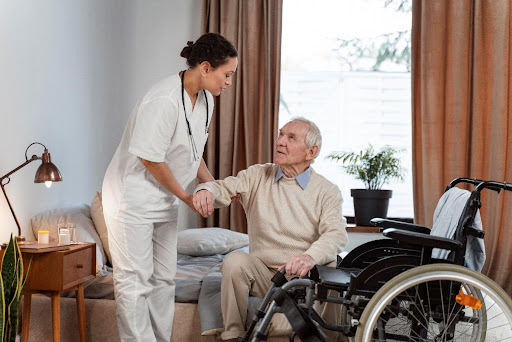
If you’re looking for elderly care for the first time, it can feel like stepping into a world full of several services and decisions. No matter if your parent needs a little extra help at home, or a family member is recovering from an illness. Whatever the situation, you want to make choices that feel safe and practical.
Not every person demands the same elderly care. There are several options you can take, each designed to support different levels of care. Understanding these options early on helps you make informed choices. This guide breaks down the most common types of elderly care and provides simple tips to make home care the best experience.
What is Elderly Care
Elderly care is a service and support that helps people aged 65 and above with their physical, emotional, and social needs. It includes medical assistance, help with daily tasks like washing and dressing, medication management, meal preparation, and companionship.
The main goal is to help seniors live safely, comfortably, and independently, whether that’s in their own home through in-home care or in assisted living and skilled nursing facilities.
Types of Elderly Care
The following are the types of elderly care options, each of which caters to different needs of an individual:
In-home care: Professional caregivers provide support in the senior’s own home for a few hours a day or around the clock.
Home Health Care: Medical services provided in the home by licensed healthcare professionals under a doctor’s guidance.
Assisted living: Seniors live in a community setting that provides housing, meals, and help with daily activities, but without 24/7 skilled nursing care.
Nursing facilities: These facilities offer round-the-clock medical care and supervision for those with higher medical needs.
Adult day care: Provides social activities and supervision in a community setting for seniors who live at home.
Respite care: Short-term care provided to give a break to a regular family caregiver.
Tips For Elderly Care
If you are going to take care of your parents or an elderly person, the following tips can help you streamline the process:
Understand their Needs
The most basic thing people mostly overlook is the need for their elderly person. Ensure that the care they are receiving is what they actually need. Aged people become concerned about changes and don’t like them. To make them comfortable, provide them with a safe and comfy environment so that they feel safe.
Help Them with Various Activities
If the patient has physical disability or limitation, help them by providing support tools. Help them with daily tasks so they don’t stay in bed and keep moving. Engage them in certain activities that will encourage them to walk or exercise.
Maintain a Healthy Diet
Elderly people are like kids; they need to be reminded about their meals. Encourage them to have a balanced diet and drink plenty of water, as dehydration is common in older adults. Plan meals and make it easy for them by listing the food items they love.
Emotional Support
Senior people need emotional support more than physical. Encourage them to contact family and friends. Help them find hobbies and activities that align with their interests.
Regular Medical Check-Ups
Ensure they attend all recommended doctor visits and health screenings to catch potential problems early.
