
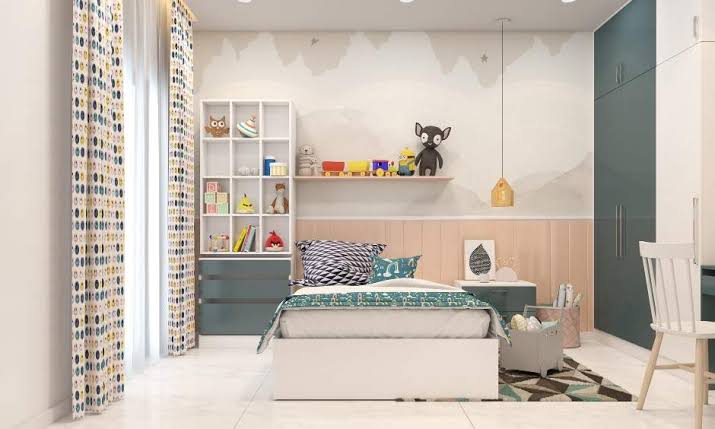
Most nursery furniture is bought for a baby and replaced within a few years. Choosing furniture that grows with your child breaks that cycle, because the same crib, dresser, and bookshelf can follow a child from the first board books to a teenager’s novels. This guide explains what makes a piece last, which convertible pieces are worth buying early, and how a single bookshelf changes with each stage of childhood.
What Makes Furniture Grow With Your Child
Furniture that grows with your child is furniture designed to stay useful after the nursery stage ends. Parents often call it grow-with-me furniture. Three traits separate a long-term piece from a short-term one: a neutral design, parts that adjust or convert, and construction strong enough for years of daily use.
Neutral Design That Outlasts the Nursery Theme
A nursery theme rarely survives past the toddler years. Pastel animal prints and cartoon motifs look out of place in the room of a ten-year-old. Furniture that grows with your child keeps the theme in removable items, such as bedding, wall decals, and rugs, while the furniture itself stays simple.
Natural wood tones, white, and soft neutral finishes adapt to almost any later style. A plain dresser can move from a pastel nursery to a teen room with new hardware and nothing else.
Adjustable or Convertible Parts
Adjustable shelves, removable changing toppers, and crib conversion kits let one piece take on a new job. Before buying, check what each piece converts into and whether the conversion parts come with the piece or are sold separately. Conversion kits for some cribs may be discontinued after a few years, so buying the kit early can avoid problems later.
Solid Construction That Handles Years of Use
Children climb, kick, and lean on furniture. Solid wood and well-made joints hold up to that daily wear better than thin particleboard. A solid wood piece can also be sanded and refinished when the finish wears, which extends the life of the furniture by years.
Knowing these traits makes the next step easier: deciding which nursery pieces to buy first.
Convertible Nursery Furniture Worth Buying Early
Convertible nursery furniture is the most common form of furniture that grows with your child. Convertible pieces cost more upfront but replace several later purchases. The crib, the dresser, and the nursing chair are the three nursery pieces where conversion matters most, and each one follows a different path as the child grows.
Convertible Cribs
A convertible crib changes into a toddler bed, then often into a daybed or a full-size bed frame. The conversion usually happens by removing a side or adding a rail. Check the bed sizes listed by the manufacturer, because some cribs convert only to a toddler bed.
Every crib sold in the US must meet federal safety standards enforced by the Consumer Product Safety Commission. Avoid secondhand drop-side cribs, which are no longer allowed for sale.
Dressers That Start as Changing Stations
A standard dresser with a removable changing topper replaces a separate changing table. Once diaper changes end, the topper comes off and the dresser keeps working as clothing storage for years. Choose a dresser tall enough for comfortable changing but low enough for a child to reach the top drawers later.
Gliders and Accent Chairs
A glider or upholstered chair used for night feedings can move to a reading corner, a living room, or a teen’s bedroom. Pick a neutral fabric and a frame shape that suits an adult room, not only a nursery.
The crib, dresser, and chair cover sleeping, storage, and seating. The nursery bookshelf follows the longest path of all.
How a Nursery Bookshelf Grows From Board Books to Teen Shelves
A nursery bookshelf is often the one piece a child uses from the first months to the last year at home. The books on the shelves change completely, but a sturdy bookshelf can stay. This makes the bookshelf one of the clearest examples of furniture that grows with your child.
Baby and Toddler Years: Board Books Within Reach
Babies and toddlers handle board books, cloth books, and a few soft toys. At this stage, the lowest shelves of the nursery bookshelf matter most. Place board books face-out on the bottom shelf so a crawling baby can pull books down and look at the covers.
Keep upper shelves for adult-use items, such as baby monitors, keepsakes, and a lamp. Anchor the bookshelf to the wall from day one, because toddlers start climbing earlier than most parents expect.
Preschool and Early School Years: Picture Books and Bins
Picture books are wider and thinner than board books, and a growing collection needs order. Many parents add fabric bins or baskets to the lower shelves for sorting picture books by topic. The middle shelves start to hold early readers and craft supplies.
Tween and Teen Years: Novels, Hobbies, and Display
By the tween years, the same bookshelf holds chapter books, novels, school binders, and hobby collections such as models, trophies, or vinyl records. The bookshelf shifts from storage toward self-expression. A teenager often decides what goes on each shelf, which turns the bookshelf into a display of personal interests. That shift is exactly what furniture that grows with your child is meant to allow.
A bookshelf that serves all three stages is a long-term purchase, so the buying decision deserves a closer look.
How to Invest in Long-Lasting Kids Furniture
Long-lasting kids furniture is a budget decision as much as a design decision. Spending wisely means knowing where to put more money, where to save, and how to keep each piece safe through every stage. The guidelines below help parents choose furniture that grows with your child without overspending.
Spend More on Pieces You Will Keep
Put the larger share of the nursery budget into pieces with the longest lifespan: the convertible crib, the dresser, and the bookshelf. Save on short-lived items, such as crib bedding, bouncers, and themed decor. A solid wood bookshelf used for 15 years usually costs less per year than two or three cheaper replacements. [Cần bổ sung số liệu thực tế về giá so sánh nếu muốn dẫn chứng cụ thể]
Check Safety at Every Stage
Safety needs change as a child grows. A crib needs a firm, well-fitted mattress. A toddler needs anti-tip anchors on every dresser and bookshelf. An older child needs shelves that hold heavier books without bowing. Recheck wall anchors whenever furniture moves to a new room.
Plan for the Room, Not Just the Nursery
Many families move a child to a larger bedroom or a new home during the school years. Measure the ceiling height and wall space of likely future rooms, not only the nursery. A tall bookshelf that barely fits a nursery wall may fit a teen room perfectly, while an oversized piece may not fit through a narrow door at all.
Final Thoughts
Furniture that grows with your child lasts longest when the design stays neutral, the parts convert or adjust, and the construction is solid enough for years of climbing and reorganizing. A convertible crib, a dresser with a changing topper, and a sturdy bookshelf cover most of a child’s needs from birth to the teen years. For a bookshelf that can hold board books today and novels later, the handcrafted tree bookshelves at Tailor Wood Haven are made to order in solid wood, in several sizes and seven finishes. Choose a size for the room your child will grow into, and start building a nursery with furniture that grows with your child.
