
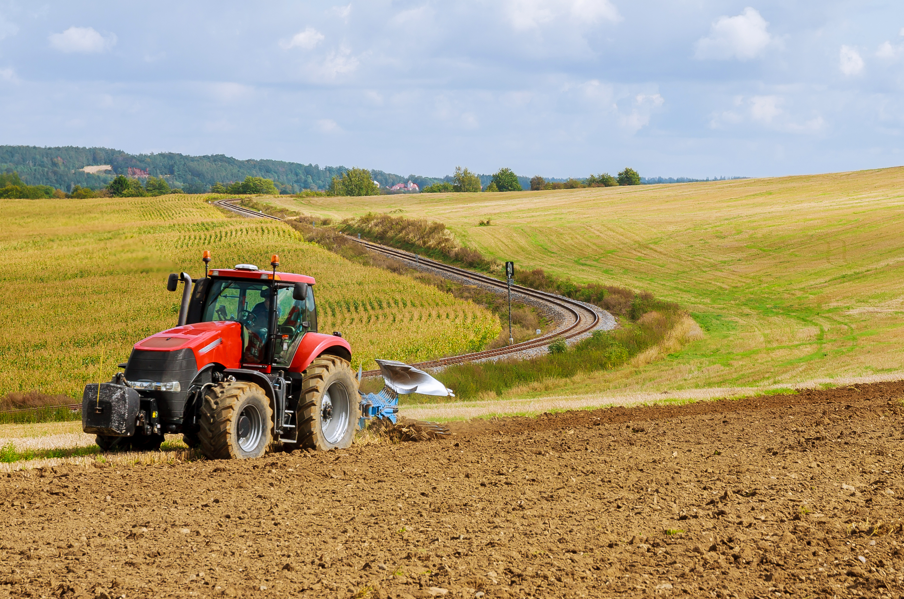
Selecting the right tractor for your commercial farming operation is one of the most significant investments you’ll make in your agricultural business. The right choice can enhance productivity, reduce operating costs, and provide years of reliable service. Understanding the key factors that influence this decision will help you make an informed choice that aligns with your farm’s specific needs.
Understanding Your Farm’s Requirements
Before exploring tractor options, take time to assess your operation’s unique demands. Consider the terrain you’ll be working with, the crops you cultivate, and the implements you’ll need to power. A diversified farm with multiple enterprises will have different requirements than a specialized operation. Think about the tasks your tractor will perform most frequently, whether that’s tilling, planting, harvesting support, or hauling. The size of your acreage and the intensity of your operation will also play crucial roles in determining the appropriate power range and features you’ll need.
Power and Performance Considerations
Engine power represents the heart of any tractor’s capability. Commercial farms typically require substantial horsepower to handle demanding tasks efficiently. However, more power isn’t always better—it’s about matching capability to your workload. Consider both the maximum power you’ll need for your most demanding tasks and the typical power requirements for everyday operations. Fuel efficiency becomes increasingly important as your hours of operation increase, so evaluate different engine technologies and their long-term operating costs.
Transmission and Control Systems
Modern tractors offer various transmission options, each with distinct advantages. The transmission type affects not only how the tractor operates but also operator comfort during long working days. Consider whether your operation would benefit from the precision of advanced transmission systems or if simpler configurations would suffice. The ease of operation and the learning curve for your team should factor into this decision, especially if multiple operators will use the equipment.
Hydraulic Capacity and Implement Compatibility
Your tractor’s hydraulic system powers most implements and attachments, making adequate hydraulic capacity essential for commercial operations. Evaluate the flow rates and pressure requirements of your current and future implements. Consider how many remote hydraulic valves you’ll need and whether you might expand your implement inventory over time. The three-point hitch capacity should match your heaviest implements with room for growth.
Investing in New Equipment
When you’re ready to purchase new tractors, establishing a relationship with a reputable dealer can make a significant difference in your long-term satisfaction. Dealerships like Lilly Kubota offer not only equipment sales but also parts availability, service support, and expertise that becomes invaluable throughout your tractor’s life. A quality dealer relationship ensures you have access to trained technicians, genuine parts, and knowledgeable staff who understand agricultural applications.
Comfort and Safety Features
For commercial operations where tractors run long hours, operator comfort directly impacts productivity and safety. Climate-controlled cabs, ergonomic controls, and good visibility reduce operator fatigue and improve precision. Safety features such as rollover protection, adequate lighting, and intuitive control placement should be non-negotiable priorities. Remember that a comfortable, alert operator makes better decisions and operates more efficiently.
Maintenance and Serviceability
Commercial tractors need to maximize uptime and minimize maintenance costs. Evaluate how easily you can access service points for routine maintenance. Consider the availability of parts and local service support. Some designs allow operators to perform more maintenance tasks themselves, while others may require specialized service. Factor in the total cost of ownership, including scheduled maintenance, expected wear items, and potential repair costs over the equipment’s lifespan.
Making Your Final Decision
Choosing the right tractor involves balancing immediate needs with future flexibility. While staying within budget is important, consider the long-term value rather than just the initial price. A slightly higher upfront investment in appropriate capacity and quality often pays dividends through improved efficiency, reduced downtime, and longer service life.
Take time to demo equipment under actual field conditions whenever possible. Talk with other farmers about their experiences, and don’t rush the decision. Your tractor will be a partner in your operation for many years, and selecting the right one will contribute significantly to your farm’s success and profitability.
